Amnesia & Medical Visits
As is common with lengthy hospital stays, I was attached to the bed through my hardworking IV pole. And a built-in bed alarm. Then, on my last couple of days, I was released from the alarm. YAY! I was able to, with IV pole in tow, go the bathroom all by myself.

Disaster Girl. Ces't moi. If I recall correctly, I earned that nickname right after I shattered my tibfib during roller derby practice. Tahoe Derby Dames! Anyway.
So. On September 27th I was ordered to go the ER because I was anemic. This was a strange order because I've spent a lot of time with phlebotomists because I have hemochromatosis.
So I went. Had a bunch of scans. Gave blood, got blood. Went back home. And then, 6 hours later, the Parkland ER called me and ordered me to come back because of ACUTE PANCREATITIS. Again.
So then I went back to the Parkland ER. Got admitted. Was not allowed to leave the hospital for 8 more days. Etcetera.
As is common with lengthy hospital stays, I was attached to the bed through my hardworking IV pole. And a built-in bed alarm. Then, on my last couple of days, I was released from the alarm. YAY! I was able to, with IV pole in tow, go the bathroom all by myself.
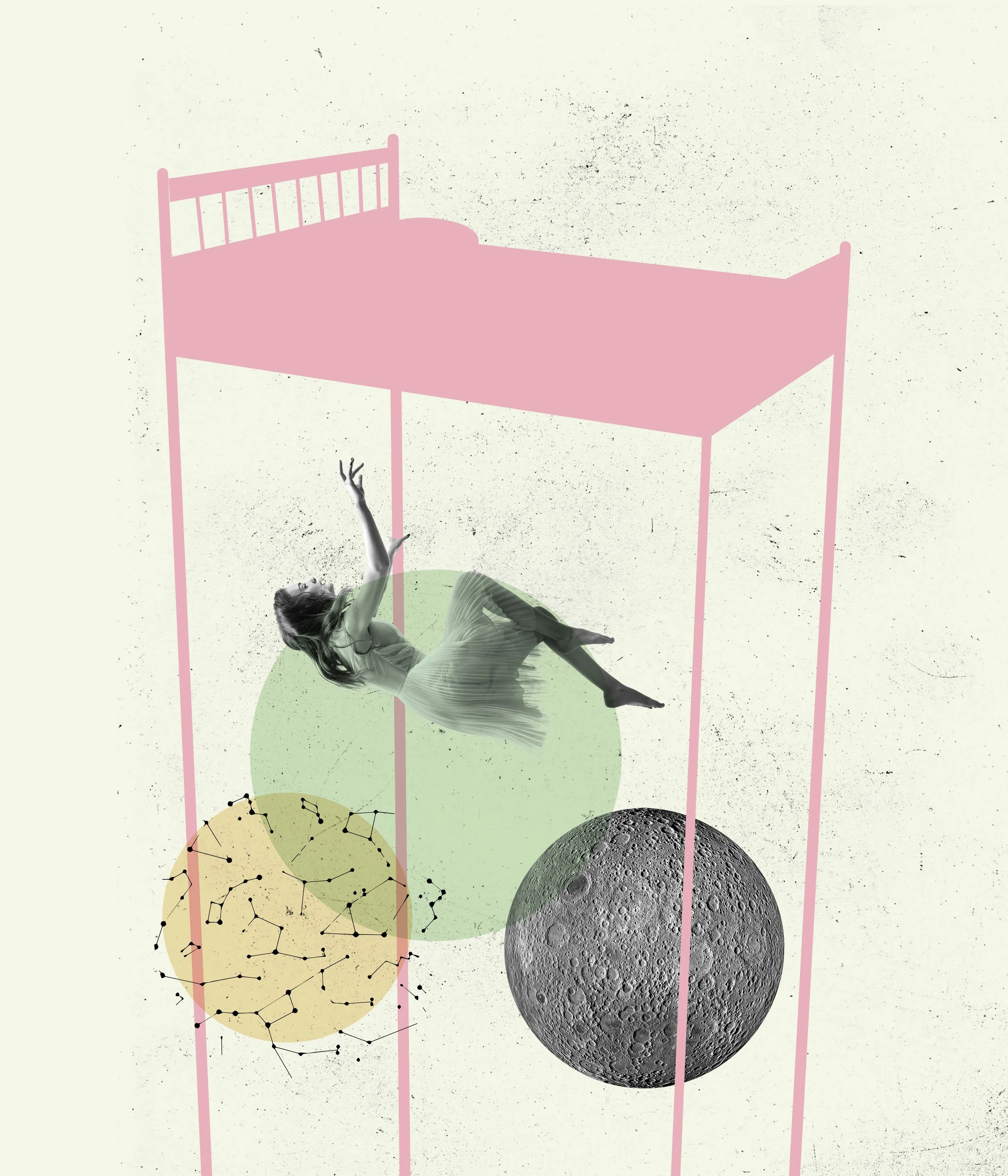
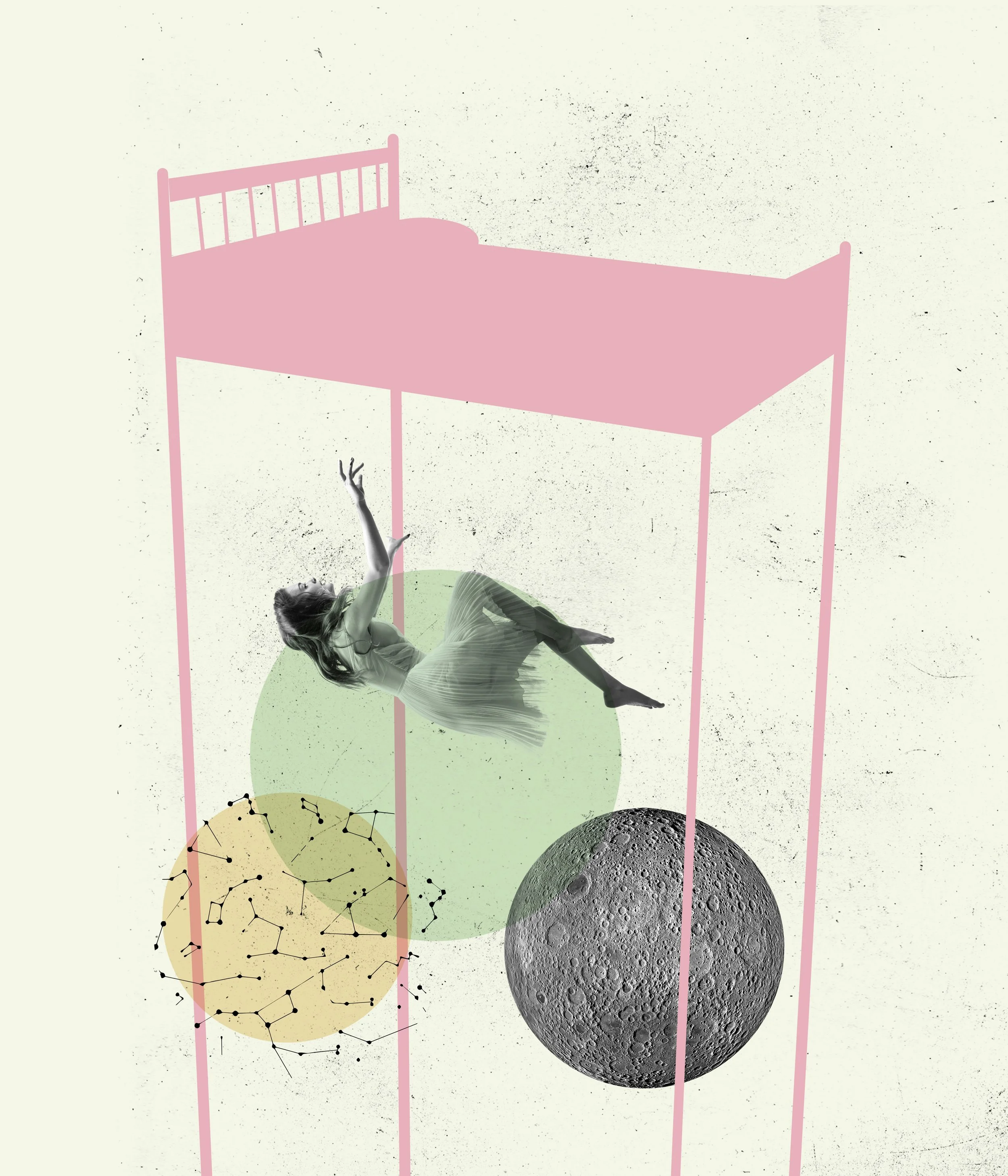
Of course, on my way back from the bathroom, a wave of vertigo washed over me and I fell down. I crashed to the gross hospital floor—and brought the IV pole with me—yes, the heavy-as-rocks pole landed on me. (Yes, that is what she said.) It was a pretty nasty fall, which I know because of the gigantic bruise on my upper thigh.
Anyhoo. Just another day in Feisty Falls Down world.

Hemochromatosis, Life & Alcohol
After I died and forgot who I was, people kept telling me I was an alcoholic. I couldn’t remember anything else about who I was, and I literally prayed every day that I would die, so drinking quickly became an innate part of what was left of whatever I’d been.
ABOUT TIME
Things, like time, are war. Games. War games. Time—is of the essence. Life, too, is also of the essence. I grasp the heavy rifle in my hands. I blast the abyss with bullets of memories, leaving sparkling lights that, slow, dim into the darkness.
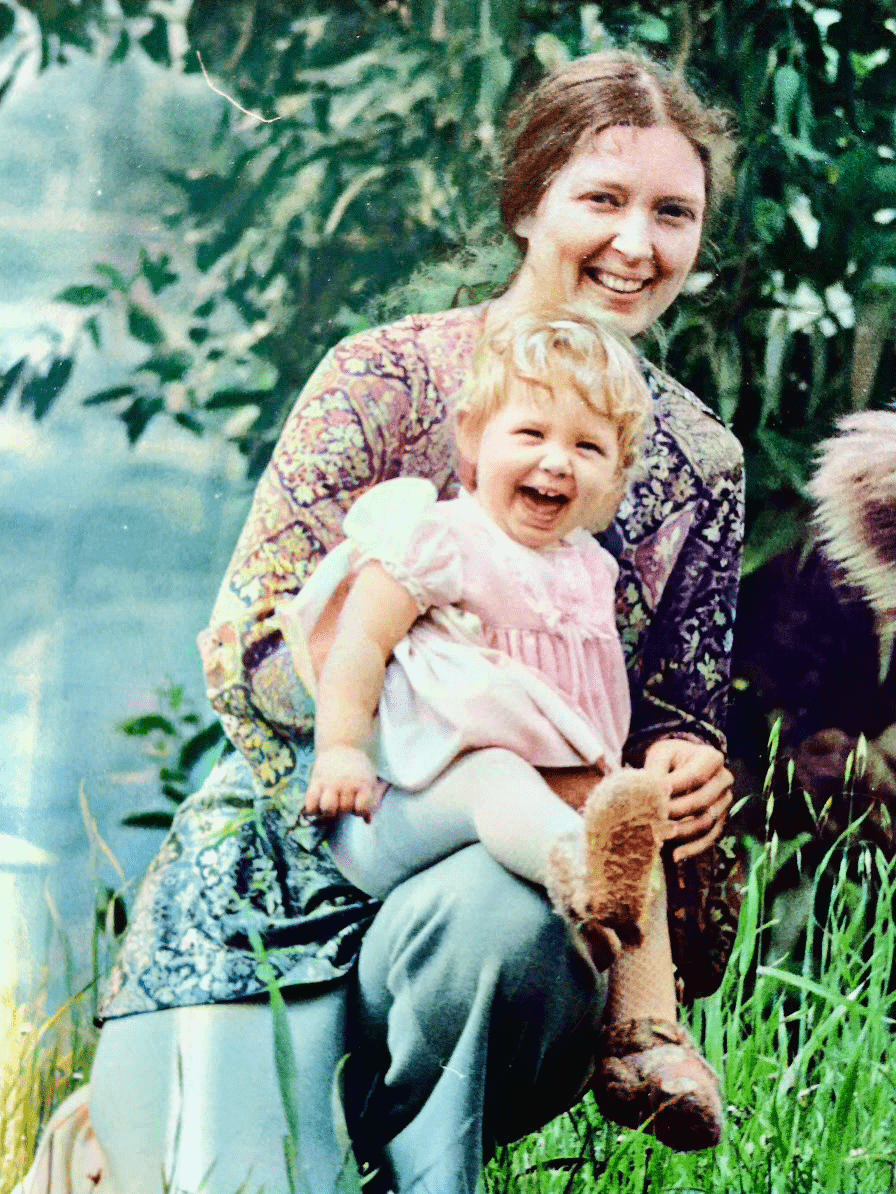
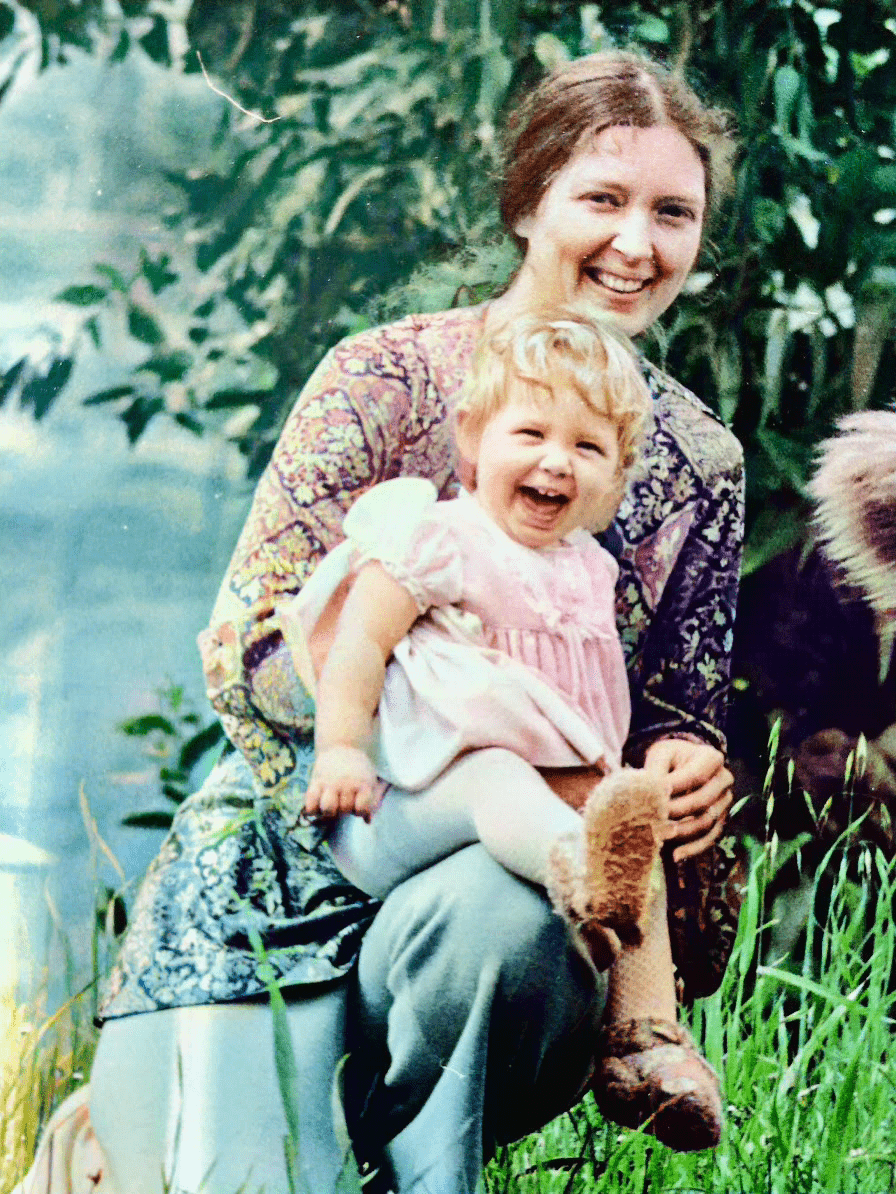
I Taste A Liquor Never Brewed
Sometimes—I'm having a memory of one of our living rooms and then I realize it's just my old living room, in the house I grew up in, in Cupertino.
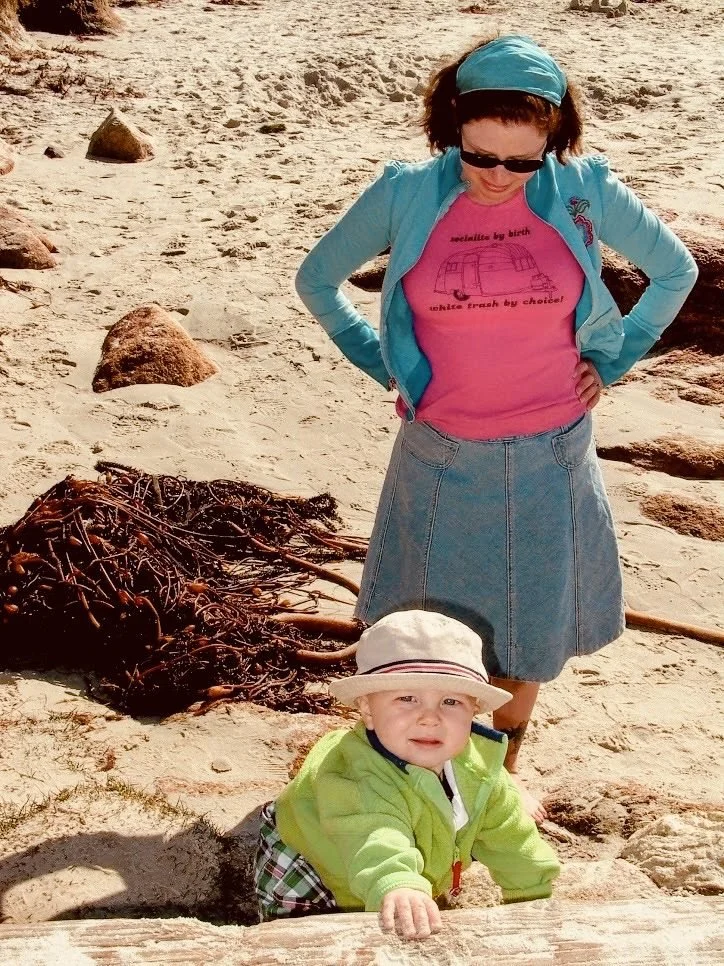
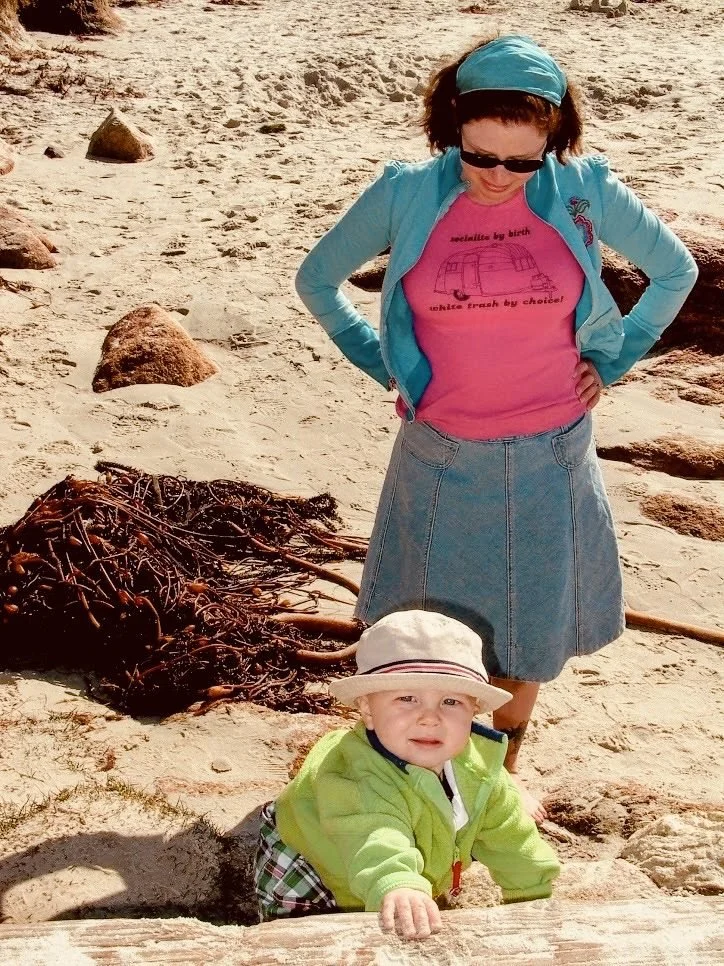
I've been thinking about when we delivered Flynn. I can still see the carpark from the hospital window. I remember the 4Runner you had when we met at NASA. Was it blue or yellow? I bought a yellow one later. It was a piece of shit, remember?
Your old blue duplex was just a few blocks from Kim's Vietnamese Restaurant. Your blue BMW motorcycle and black helmet sat in the small garage. Denise and Tom lived in Milpitas. Lynn and Larry had a green lawn with flowers across from the flute lady, where I took flute lessons.
Do you remember when we saw that flute teacher on our flight from Dublin to London? In London, we stayed on the second floor of a big B&B. We went downstairs for breakfast, and there was just one other person in the room. When we left, the hallway to the kitchen was on the left, and the large brown door to the street was on the right. We stepped outside, turned left, and walked down the road. It was my first time out of the country, so the walk felt amazing.
Sometimes, as I write, I think about our cottage in the Castro. We would step onto the patio. Behind us was the entrance to the two-story building. I wonder, did Freddy have a missing finger or just a big band-aid? Did he play guitar?
Still thinking about the Castro cottage: after leaving the big black iron gate, we would turn right and walk down to Castro Street. The theater was a block or two away, across the street. My mind drifts, and I expect to see the Mountain View ice-cream shop, the last one on the right, with railroad tracks across from it. I miss Kim’s and the lunch spots from NASA.
Sometimes I think I remember one of our living rooms, but then realize it’s just my old living room. It was in the tiny house where I grew up in Cupertino. I practiced flute near the front window. My mom was always in the garden, her hands covered in soil. I can picture the loveseat, the spot for the Christmas tree, and the little dining room. We even used it sometimes.
In Mountain View, the front door opened into the living room. There was a small dining area on the right and the kitchen straight ahead. The bathroom was to the right, the bedroom to the left, and the back door led straight to the small garage. Is that right?
Now, jumping to today: I woke up in Scotland. We're upstairs in a tavern or pub. It's around noon. We park in a dead-end alley, with the car on the right side of the street, facing the two-story building. We walk inside, turn right, and go up to the second floor. Inside, everything is wood—shiny, caramel-colored walls and a bar. The left side of the pub has windows, some with stained glass, flowers, a cross, and a pretty mosaic. Outside, the air is wet and gray. It feels like we are always walking through clouds.
Still in the Scottish pub, it's fun trying to order vegetarian food. We sit at a high table and climb onto shiny chairs. We read the chalkboard behind the bar. We're wandering through the highlands, with Cawdor Castle as our destination, maybe today or tomorrow. You order soup and a beer, and I have a cider and a salad. Later, I'll ask you to stop at a market so I can get some cookies.
A local asks where we're from and tells us his son is in New York, though he’s not sure why. He drops his shoulders and laughs, and we laugh too. Scots have big smiles and laughs, so it never feels gloomy here. We haven’t been invited to the Scottish boy's birthday yet—that comes later. We’ll see a young man carried in a chair while friends and family wave pound notes.
I've been coping better in unfamiliar places. Jay made this possible, even if he didn’t mean to. I never feel unsafe with him. He’s confident, and he’s always been the smartest person I know. It took time to realize I was safe with him. That feeling grew and let me take risks. Taking risks with Jay made me start living.
Time shifts again: I fall asleep and want to travel more. I want to go back to that narrow, scary Scottish road that seemed to twist forever. But I woke up in Hawaii instead. That’s okay. I love waking up there, especially in Kauai. It wasn’t our honeymoon, but the time we stayed near the North Shore. We drove a red rental car to a roadside spot with a red arrow, parked, and hiked through mud and trees to a beach. We swam and watched fish in the warm sea. Every time, the warmth amazed me—I never knew an ocean could be so warm. Not Half Moon Bay, not Trinidad, not Cannon Beach. Those were the only oceans I knew before Jay. "Be careful. Watch out for jellyfish."
Another place, another morning: I woke up in my art gallery. I loved that place. Jay came by to set something up on my computer. I had been browsing the DWR catalog, hoping to buy Jay something cool to sit in—something beautiful, comfortable, and good for his back. I looked up the Eames Lounge Chair and Ottoman. I knew he'd love it, but he would never buy it for himself.
Moments later, I’m somewhere else. I was sipping a cranberry martini Jay made as I started waking up. In this room. Dallas.
I slammed myself into the hospital bed. Jay is holding my hand. I am pushing Flynn out of my body, with no pain relief. Jay keeps telling me I can do it. You can do it. So I do. That was January 7, 2005. I never wanted to believe all the things I knew were true about me, things I thought were only for other people. I’m a piece of shit. And I’m insane. It’s right there in my medical records. Today, I’ve wished many times I could rewrite my story. It’s unfair that I inherited a disease. It didn’t show up until I’d already thrown everything away. I even lost myself. Now, I see a life—my life—that hasn’t stopped just because I’m no longer in it. Every day, I wake up all over the world. I think about how to stop the constant waking up. So far, nothing has worked. The other day, I woke up in Ireland. We’d just hit a cow. Then I went to sleep in Dallas, by myself, knowing the biggest memory loss I have is that I’m hardly a memory for anyone anymore. I hope that soon I wake up in that little white villa in Andalusia. We drive to the convent on that five-foot wide, winding road. We ate those delicious chocolate treats the nuns made. Jay bought a flower from a nun and gave it to me. I hope I wake up here again soon. Spain. Warm. Health. Sangria.
Finally, I long for another place. I want to wake up in my Humboldt forest. I want to escape my small box with a bathroom. I want to crawl through fallen branches, under what used to be ferny canopies. I want to be drunk on liquor never brewed.

I taste a liquor never brewed (214)
Emily Dickinson
1830 –1886

I taste a liquor never brewed –
From Tankards scooped in Pearl –
Not all the Frankfort Berries
Yield such an Alcohol!

Inebriate of air – am I –
And Debauchee of Dew –
Reeling – thro' endless summer days –
From inns of molten Blue –

When "Landlords" turn the drunken Bee
Out of the Foxglove's door –
When Butterflies – renounce their "drams" –
I shall but drink the more!

Till Seraphs swing their snowy Hats –
And Saints – to windows run –
To see the little Tippler
Leaning against the – Sun!
Hey,
I was standing, on my own feet, on seismically active ground.Knees shaking, this earth vibrating--I heard it was 9.5 on the Richter scale.
Hi, I’m Michelle/aka Feisty: a lifelong wanderer, storyteller and bipolar author.
I’m also an amnesiac; I live with both retrograde and antegrade amnesia.
Read on.
I was born with hemochromatosis, which is a genetic mutation of the HFE gene. This mutation is believed to have originated in Ireland and is linked to the body’s inefficient regulation of iron absorption.
Iron overload caused my gall bladder to rupture, requiring emergency surgery for organ removal.
When I woke up from anesthesia and I didn’t know who I was. Where I was. Who the people in the hospital room were. But even though I had trouble remembering and recognizing these people, I felt safe with them. As I type that now I remember how terrifyingly vulnerable I was, and at this moment it still gives me a tangible shock.
After the surgery I quickly realized that living independently was impossible. The doctors had revoked my license to drive, which I understood. But I could’t rely on friends for transportation indefinitely. I couldn’t stay on friend’s couches forever, but I had no safe place to go.
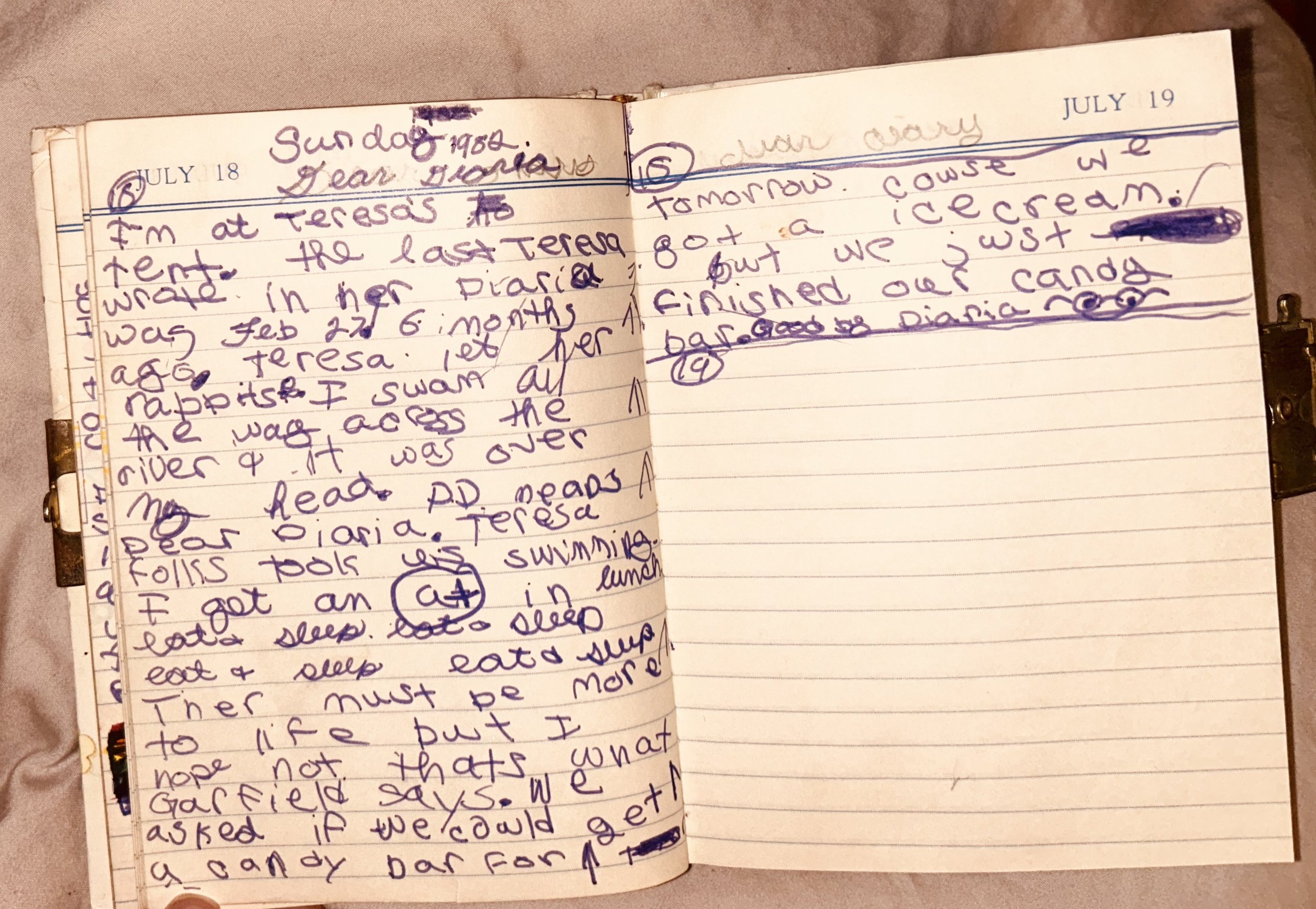
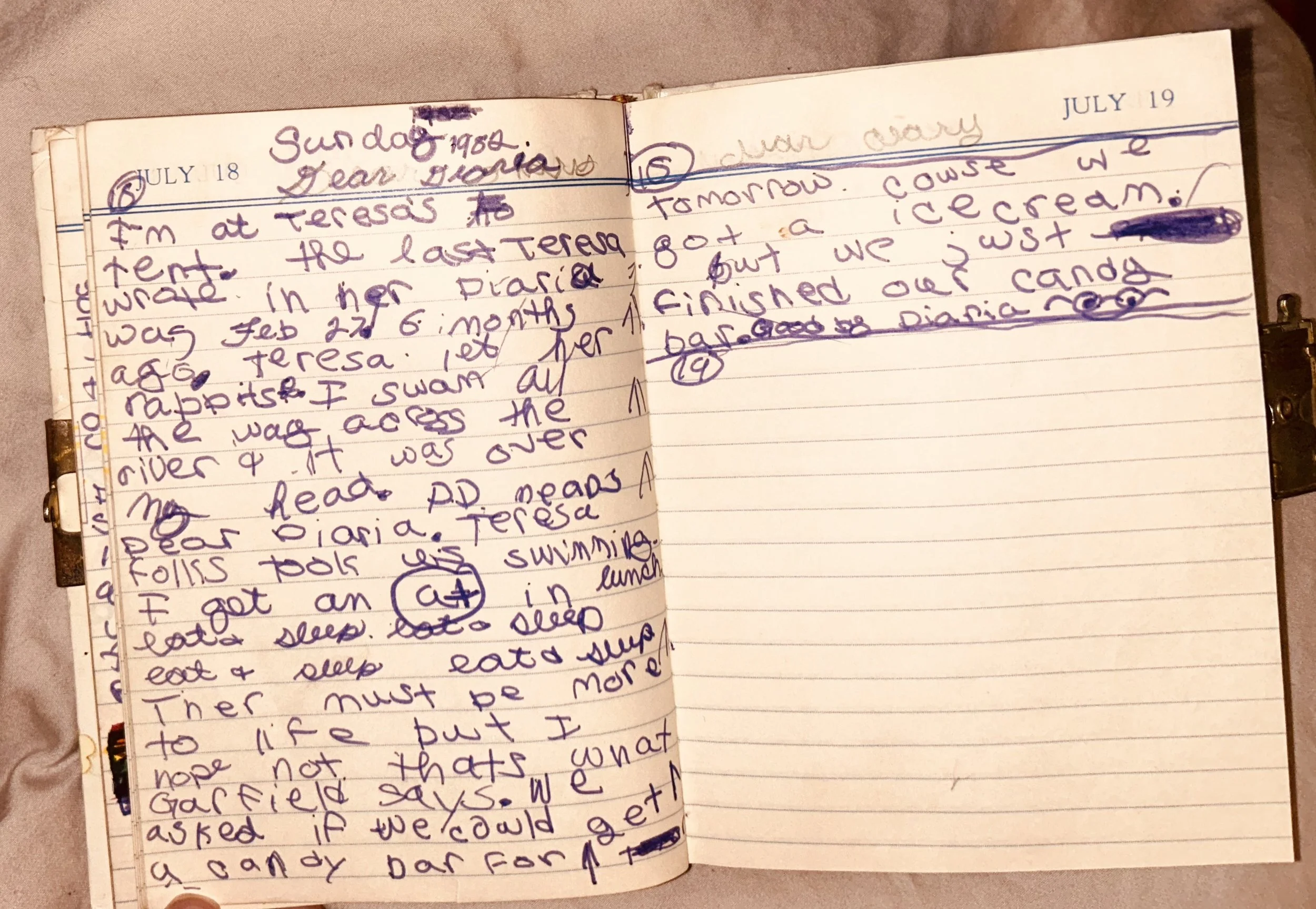
During this time I had nothing to cling to. I had no-one to talk with about my backstory. But I discovered that I’d d been keeping diaries since childhood. And I’d published three romance novels. As I started delving into decades of my own life stories, writing became a lifeline as I sought to piece together fragments of 4 decades of existence.
Through my words, I stumbled upon unsettling accounts of reckless behavior, feelings of profound loneliness, and raw reflections on my mother, who passed away from a brain tumor when I was seventeen.
I started to relive my life, from when I was a child. Having my mother’s big collection of letters, to and from her mother, I immersed myself in these bits of communication. And because there was so much writing—both handwritten and typed— I started realizing that I was re-experiencing many parts of my young life that I’d forgotten even before amnesia.
The only life I knew was the life I’d started to obsessively read, over and over my own narrations of my entire life.
But none of that helped me even think about what I needed to do with my life now.
I had a lifelong friend who lived in Texas. David drove to get me on the west coast and he moved me into this place in the middle of the country. Safe.
Now: I write. I knit. I snuggle with my dog, Mr. Darcy. This site serves as a platform for sharing my experiences and insights about living with amnesia.

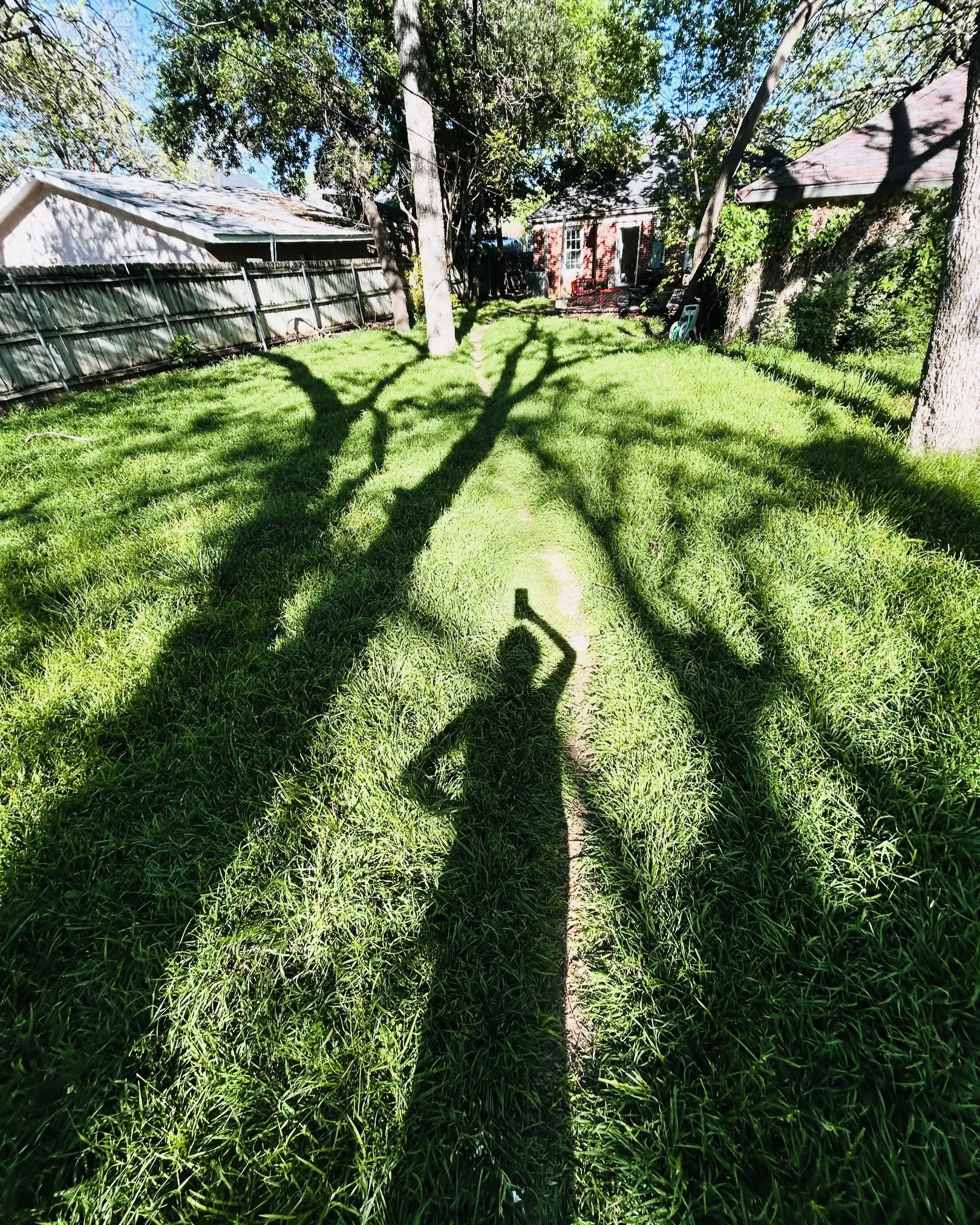
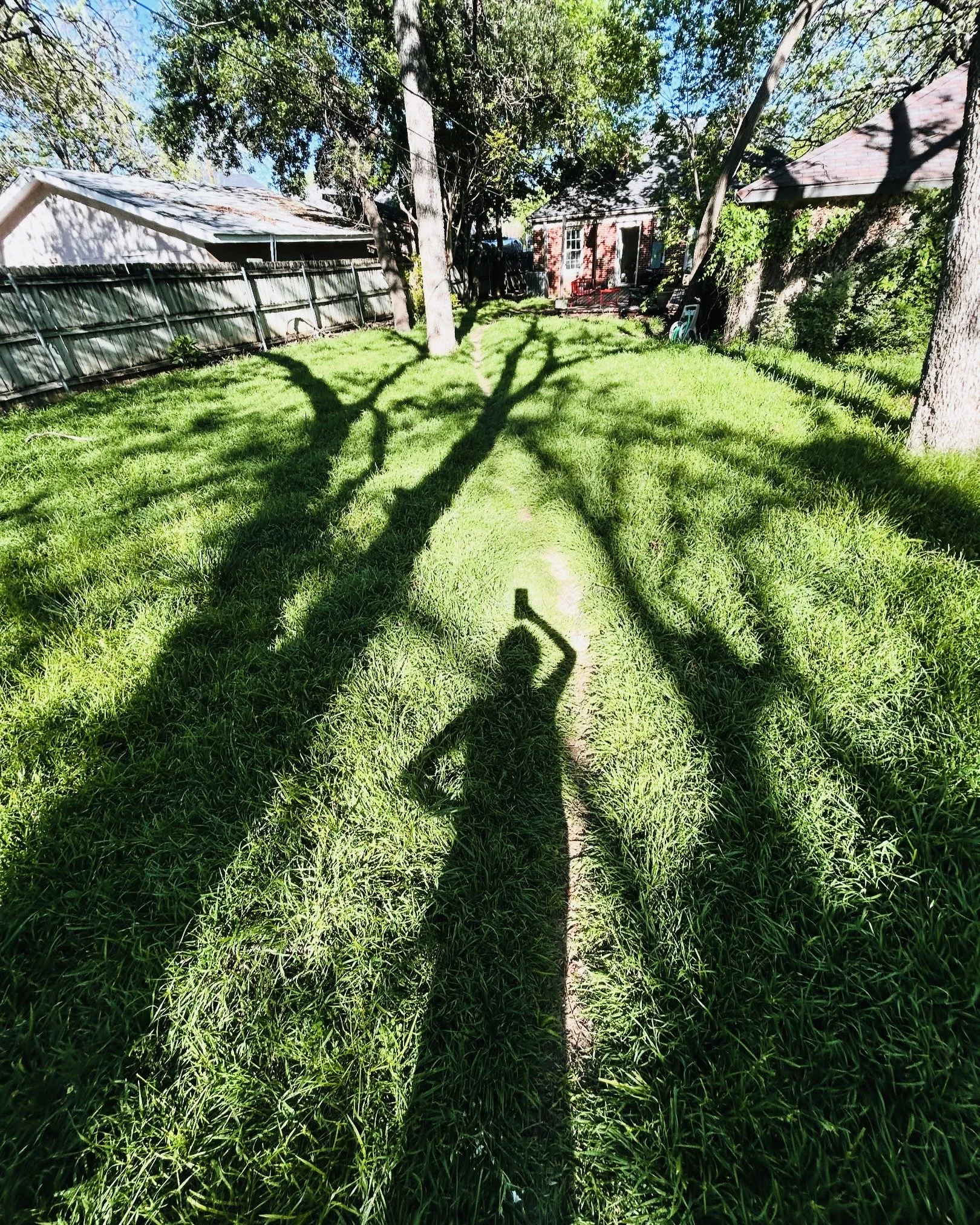
Exploring Memories: A Journey Through Time and Self
Now. I’m an instant photograph. I’m an undeveloped Polaroid, seeking light to provoke my emulsion. Layers of amnesia. Retrograde. Antegrade. Layers of pieces of myself, diffusing into the painstakingly, slowly developing images. Pieces of whoever I am. Whoever I was.
I’m not (not really) an amnesiac. I, Michelle Kathleen O’Kane etc., etc., etc., am a Time Traveler. An object.
An object in time travels if and only if the difference between its departure and arrival times as measured in the surrounding world does not equal the duration of the journey undergone by the object.
This place. The soft grey shawl, my knitting project on my bed. The book on my nightstand, The Echo of Old Books. My notebook, whose pinkish pages wait patiently for the next bit of words that I’m sure to emote.
Me Before and Me After incessantly converse about me. About myself. Every memory that used to be my life.
My existence used to encompass the world of seeing new places on other continents. And writing romance novels while I still believed in romance and excitement and love.
Memories of sharing meals with people I loved. Mimosas at brunch. Cosmopolitans before dinner. Vintage chardonnay with dinner.
I wake up while driving in various cars, and I’m always the driver. Often I’m 280, approaching the 92 exchange. Aware. While I’m driving I surround myself with the color-changing hills. I’m humming along with Elvis Costello. Everyday I write the book.
Now — I’m pointed west, driving to Half Moon Bay. I’m in various makes of cars, all of which I owned. Today I’m driving a clutch — my blue Ford Ranger. This is the car I purchased with money I inherited after my mother died. I am now 18, and she’d died just a few months ago, while I was 17.
I drive past memories. The Half Moon Bay Nursery, on the north side of 92. Then I’m just starting to drive through the outskirts of Half Moon Bay. My town. My ocean and sea salt and blue sky and sea, white wavy clouds tying the sun and sea together.
I’ve finally come to realized and understand how crazy I am.
I haven’t watched a movie with another person in—I forget.
I’m on my side. Gravity is giving me the soft push for rolling across the green grass. Damp grass leaves keep me alert. Behind me is the 5’4” wide trail I’ve left while rolling down this hill.
I’m jealous of many of the things I see on TV. And Instagram. Landscapes and cities and people at tables with white espresso cups.
Lives.
“You don’t look back along time but down through it, like water. Sometimes this comes to the surface, sometimes that, sometimes nothing. Nothing goes away.” — Margaret Atwood
ONCE UPON A BEACH
We didn’t have an ocean view. It didn’t matter. We walked around the green pond. It was small, but it reminded me of us. Not flashy, but quietly there. Some things seem unimportant at first, but they grow on you.

It was just another day. I hadn’t spoken to anyone in awhile. Not that a while of time means anything.
People forget things. I forget the details of my life, but not the people I shared it with. My memories come and go as they please. Each day brings back travels and restaurants and movies and love. I wish I was capable of curating my life.
It was August. I was 22. Today I remember a walk from years ago, leading to a spot on Kauai’s beach. The west side. I had just married Jay. Our wedding night was the start of our honeymoon. We stayed in a tall hotel near San Francisco airport. From our room at the Hyatt, I watched planes take off and land. Planes full of strangers, coming and going. The next morning I was one of those people.
The memories stayed. In the days that followed, Jay and I got married just 24 hours later. We flew to Oahu, changed planes, then flew to Hilo. My grandmother told me, go to Waimea. It looks like Ireland, she said.
My grandmother’s advice was strange, but she was right. I’d been to Ireland. Waimea had rolling green hills. Standing there, I felt peaceful and restless at the same time. The blue sea behind the hills made me think of old dreams. It didn’t look like the lower Big Island. There were cows, and small houses scattered in the grass. The place felt Celtic, and that comforted me, but it also reminded me how far I was from home. We drove our little rental car with the air conditioning too cold. The cold helped settle my nerves. When we stopped, the heat outside surprised me. It was nothing like Ireland, where the cold seeps into your bones.
A few days later, we flew to Kona and rented a white car. We drove to Kiahuna Plantation. We spent ten days in a small, clean ground-floor condo. The kitchen was to the left of the door. The living room was straight ahead. Past the loveseat, sliding glass doors looked out at the backs of the beachfront condos.
We didn’t have an ocean view. It didn’t matter. We walked around the green pond. It was small, but it reminded me of us. Not flashy, but quietly there. Some things seem unimportant at first, but they grow on you. We reached the sand and the ocean. Above us, the blue sky.
I was 22 then. Now I’m 46. I live alone. I can’t remember what I ate for breakfast, but I remember the greenish dish towels in that condo. Worn, but clean. The bedroom was a step to the left. The bathroom, a step to the right.
Jay broke his back on that trip. Not, as he liked to joke, during honeymoon shenanigans. He was just body surfing in shallow water and injured his lower back.
He said he’d heard a crack in his lower back.
On the flight home to San Francisco, I knew Jay was in terrible pain. He’d traveled all over the world, and turbulence never bothered him. But after we buckled up, I saw sweat on his neck. He was hurting. Even then, he smiled at the flight attendant.I sat next to him, helpless. My heart pounded. I tried to hide my fear with a smile, just like he did. That helplessness made me feel closer to him.
I don’t remember what I ate the night before. Maybe I didn’t eat at all. Reflecting on our honeymoon, when Jay was 33, I trusted him completely. He smiled even when things broke, including me. Trust is beautiful.
But always , there are more strange truths.

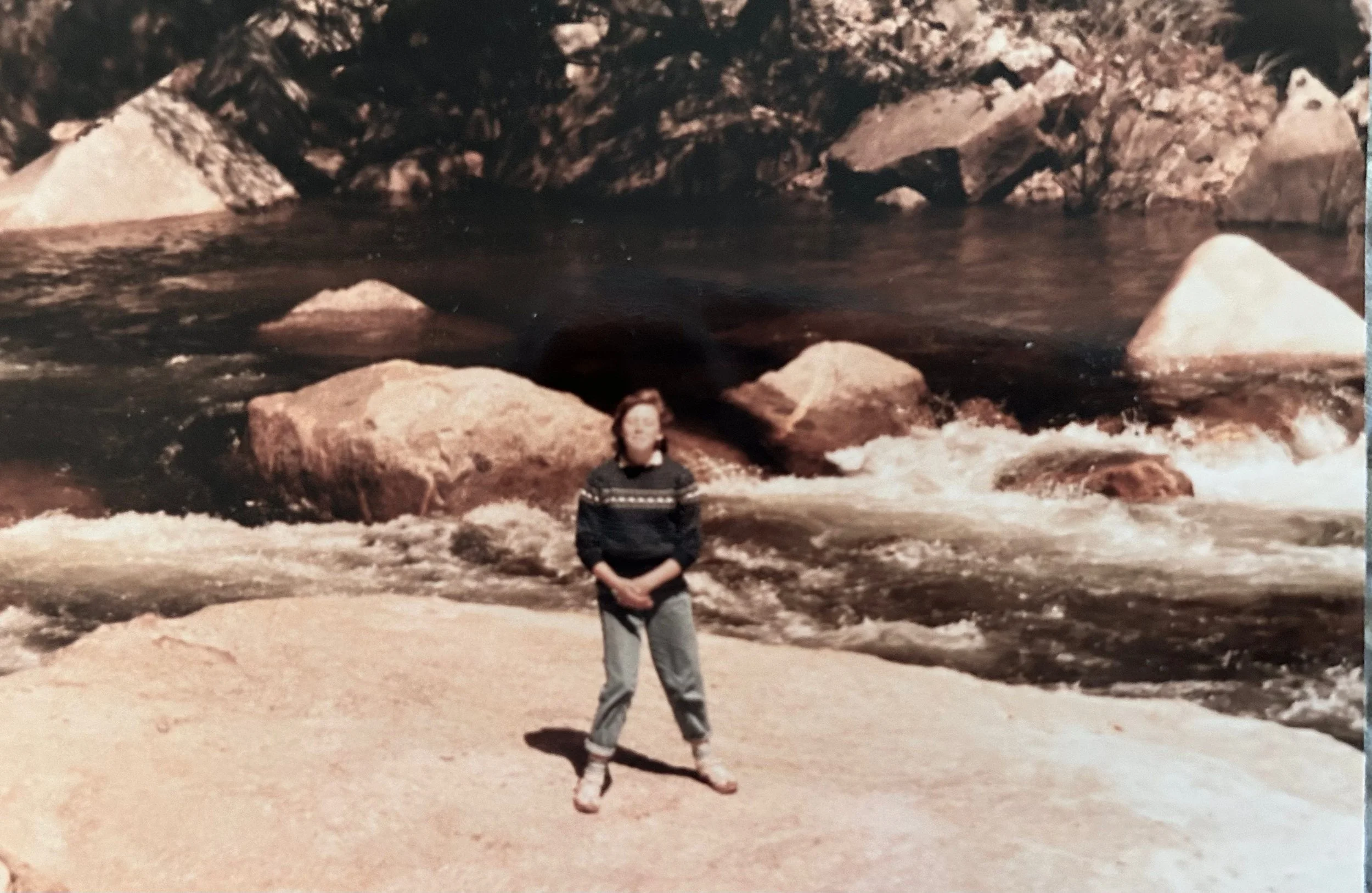
My First Amnesia Question: Who am I?
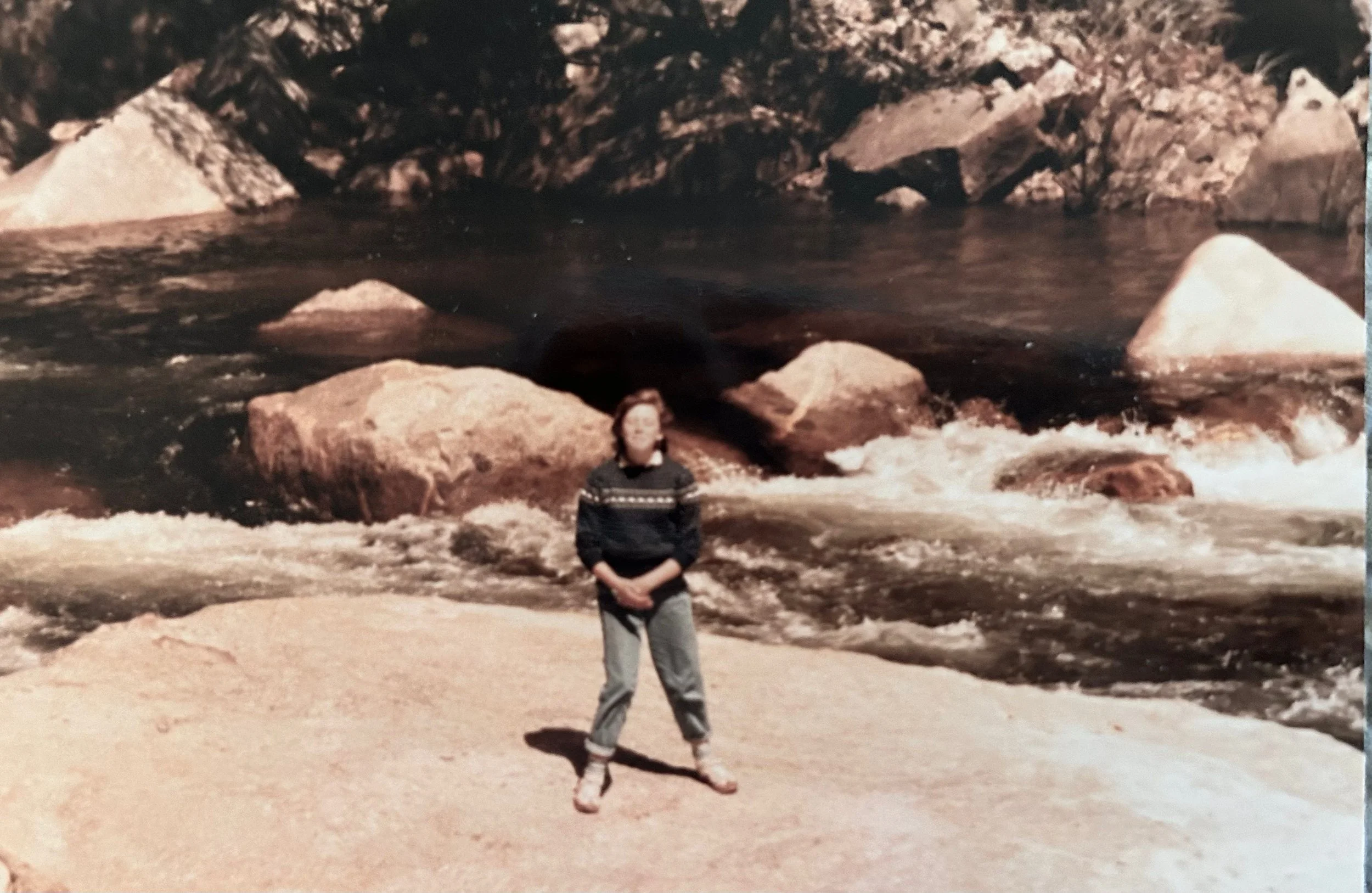
NOTHING GOES AWAY
I’m not myself. I’m not Michelle Kathleen O’Kane. Now. I’m now a soggy, foggy photo of the person I used to be.
Now. I’m an instant photograph. I’m searching for light to provoke my emulsion. Collecting layers — bipolar layers. Layers of pieces of me diffuse into the painstakingly. Slowly developing monochromatic image — that was me. She.
I’m not (not really) an amnesiac. I, Michelle Kathleen O’Kane, am a Time Traveler. An object.
An object in time travels if and only if the difference between its departure and arrival times as measured in the surrounding world does not equal the duration of the journey undergone by the object.
That memory is never the same twice.
This place. The soft grey shawl is my WIP on my bed. The book on my nightstand. French.
Me Before and Me After incessantly converse about me. About myself. Every memory used to be my life.
My life used to encompass the world of seeing new places on other continents. And writing romance novels while I still believed in romance and excitement and love.
Memories of sharing many meals with people I loved.
I wake up while driving in various cars, and I’m always the driver. Frequently, I am 280, approaching the 92 exchange. Aware. While I’m driving, I surround myself with the color-changing hills. I’m humming along with Elvis Costello. I’m watching the detectives. (The Angels Wanna Wear) my red shoes.
I’m now pointed west, driving to Half Moon Bay. I own various makes of cars. Today I’m driving a clutch — my blue Ford Ranger. This is the car I purchased with the money I received after my mother died. I am now 18, and she died just a few months ago, while I was 17.
I drive past memories. The Half Moon Bay Nursery, on the south side of 92. on the south side of the road, and now I’m just starting to drive through the outskirts of the town. My town. My ocean and sea salt and blue blue blue sky and sea, white wavy clouds tying the sun and sea together.
I’ve finally come to realize and understand how crazy I am.
I haven’t watched a movie with another person in over 5 years. I haven’t laughed with someone in as many years. A few times, something I’m watching or hearing has caused the sound — the sharp chirp of a laugh. The noise scares me. Hearing my own laugh is such an unfamiliar sound that it shocks me. Then, of course, I’m sad.
I’m rolling myself down a hill. I’m on my side. Gravity is giving me no rolling across the green, touching damp grass leaves with my fingers and toes. A 5’4” lane that is created as I roll away.
That’s me. Again.
I’m jealous of so many things I see on TV. Landscapes, cities, and people at tables with white espresso cups.
Lives.
“You don’t look back along time but down through it, like water. Sometimes this comes to the surface, sometimes that, sometimes nothing. Nothing goes away.” — Margaret Atwood.
My Life With Death: Suicide & Survival
You have bleach, a box of razor blades you bought twenty years ago, at Flax, and a very sharp chef's knife. But the knife was a birthday gift so it seems disrespectful to use it to slit your wrists. Plus, wrist slitting seems like an acute challenge and you've never been good with details.
I was never great at problem-solving.
What do you do when you've lived your life and survived? Do you get a pistol and kill yourself? Do you shoot yourself in the head? If so, how do you do it? Point at your temple? Or do you shove the gun to the back of your throat, pointed up to get a good shot, to do the deed, seal the deal?
Your arms are not long enough to hold a shotgun. Also, you don't own a shotgun.
There are many variables in something you've seen perfectly executed thousands of times, in films. In movies, most of the time, when people get killed, they get killed with a bullet. Pills are for the wealthy. And people with health insurance.
You have bleach, a box of razor blades you bought twenty years ago, at Flax, and a very sharp chef's knife. But the knife was a birthday gift, so it seems disrespectful to use it to slit your wrists. Plus, wrist slitting seems like a serious challenge, and you've never been good with details.
It's a method of problem-solving. It's a process of a set of rules. It's Wikipedia. They trick you. They teach you how to multiply numbers. They tell you that x=0. But they never call it a language or reveal that zero means nothing. Except for a vertical line.
What you want to do is: put the gun in your mouth and pull the trigger. Die in the bathtub, or maybe a field of gravel. Surrounded by blood: trickling, splattering, dripping. Sticky hair, messy. But not too messy—the whole point is to die with as little mess as possible, hence the bathtub. But a field doesn't require the heartache of cleanup. Death is nature. Natural. Earthy. Tangible.
World Haemochromatosis Awareness Week
World Haemochromatosis Awareness Week 1-7th June 2025
Hemochromatosis is a condition where the body absorbs too much iron from food, leading to iron overload. This excess iron can damage organs like the liver, heart, and pancreas, causing serious complications like liver disease, heart problems, and diabetes.
Haemochromatosis, aka the Celtic Curse, (Or, as I call it, the Celtic Cunt.) is what's caused nearly all the medical crap that's happened to this thing I call my body.
Chronic pancreatitis: √
Pancreatic tumor: √
Diabetes: √
And so on and so on and so one: √
Iron to overloaded my gall bladder, causing its rupture. And that's when I woke up with zero idea of who the fuck I was. Where the fuck I was. Or what life I'd been living.
I've typed up a bit about my experience over here. And this site is where I publish stories about living life as an amnesiac.
The main treatment for hemochromatosis is to remove iron from the body with scheduled visits for phlebotomy. Luckily I'm not scared of needles.
To be continued.

Celebrating Life, Death and Peace
The piece depicts the journey of grieving after losing a loved one, transitioning from an initial support phase filled with gatherings and shared memories to a profound solitude. As friends return to their lives, the narrator struggles with the emptiness, slowly navigating through grief, acceptance, and the struggle to redefine existence without the deceased.
At first, it’s a party. People come over. They bring food and flowers and booze. They clean. They cook. How are you? They ask, because they truthfully want to know. They bring books and ask you to go on walks. They plan the memorial. They stay by your side on that day of celebration. Like a birthday party, a memorial celebrates a life.
How are you doing? The soft voices that ask the caring questions start to evolve in tone, speed, intonation. Topics. Conversations evolve into the talk of life. The lives of the living.
The memorial is the last phase of people gifting you their time. They must get back to their lives. They must get back to the people in their lives. Friends visit only on weekends. The phone rings less. The walks get shorter and scarcer. The carefully wrapped casseroles stop appearing in the kitchen. The flowers start to wilt, dripping their leaves on the tabletop. Like snowflakes and people—flowers wilt.
But I can't, I do not return to my life because my life isn't there anymore. And never will be again. My lives. My worlds. Blah blah blah.
My friends go out for dinners and take day trips to lakes. My friends eat at home, or the home of friends. They return to their worlds. Silence now permeates what used to be our home. My house is now empty of noise because it is now missing my favorite sound. Now nothing seems right.
Now. For whom do I cook? Who do I cook with? How do I comfort others? How do I adjust to a new life without that person's existence? In the beginning—disbelief. Shock. A phone that becomes a cold thing that no longer brings me silly messages from the now dead person. I start feeling more feelings. They are feelings that slowly start to whisper away as I acclimate to what's missing from my life. Missing from my lives.
Then—then things start seeming kinda normal. I notice that the world is continuing. I cry less. I LOL. I listen to a podcast. I eat breakfast. Then—when I'm kinda functioning without that constant feeling of emptiness, loss, grief—that is when the death hits me. I've returned to the normal head space.
Life goes on and so do I.
Right?
I no longer have shock or disbelief to numb me. I no longer have the fresh, bloody cuts to bandage. All I have are what's under the now scarred skin: severed arteries and punctured organs and smokey images. Those things haven't started healing yet—and I know that the deepest cuts never will.
In the passenger seat, I see the stars come out of the sky. Yeah, they're bright in a hollow sky. You know it looks so good tonight.
My sky is exploding. My stars are combusting. I am a passenger. Newly healed and freshly sore. Waiting for my stars to come out of my sky.
And I knit and I knit. A scarf for Darlene. Darlene will smile. I'll feel her smile in the yarn coming alive in my hands.
I can not, I do not, return to my life because my life isn't there anymore. And never will be. My life—my world— is lost and I’m still trying to find it.
My friends go out for dinners and take day trips to lakes. They also eat at home or the home of friends. They return to their worlds. My world is now silent. My house is now quiet. I pick up my yarn. The soft, fuzzy wool I'm gripping is the only reality I can touch. Feel.
Knitting through my life.
I'm a passenger in my own life. I'm navigating the unfamiliar, unpredictable, terrain of amnesia. I am knitting together a semblance of connection, one stitch at a time.
I find myself in the hospital room, I stand next to the bed on which is resting my dead mother. This happens many, many times in indecipherable periods. I'm looking out the window. It is June 14. My birthday--my half birthday--is on the 21st. Summer solstice.
I stare at the white blinds, which are slanted open. I look through countless strips of shiny white plastic. My gaze creeps across the shutters, to the sky. The sky is blue. I'm standing on the fifth floor of the other wing of The Hospital. The sky is blue. It's that clear, clear, clear, clean, lightish blue. It is the kind of blue that occurs only for a brief period. It happens on days with a slight breeze and little pollution. Danny and I left the trailer in San Jose. After the call came, around 7:30 a.m., we departed. Danny Lee Clark Junior (he's dead now, too) was with me. Now, it was around 9:30. It wasn't yet 10:00. The light would be less clear at 10:00. It would start to look hot. And it was, after all, June. June 14th. 1990. I look at my mother. I look at her. She looks peaceful. I'd never seen her look so peaceful. Ever. The bandage wrapped around the top of her head was neat clean, and white. It only covered the top of her eyebrows. I would not--did not--think about the bloody wound hiding beneath the clean, white dressing. I realized that I'd never seen her face so smooth, the lines around her eyes were softer. Now I stared at her eyelids, which rested. Still.
I would not--did not--think about the bloody wound hiding beneath the clean, white dressing. I realized that I'd never seen her face so smooth, the lines around her eyes softer. Everything about her makes me think that she was, at last, in peace.
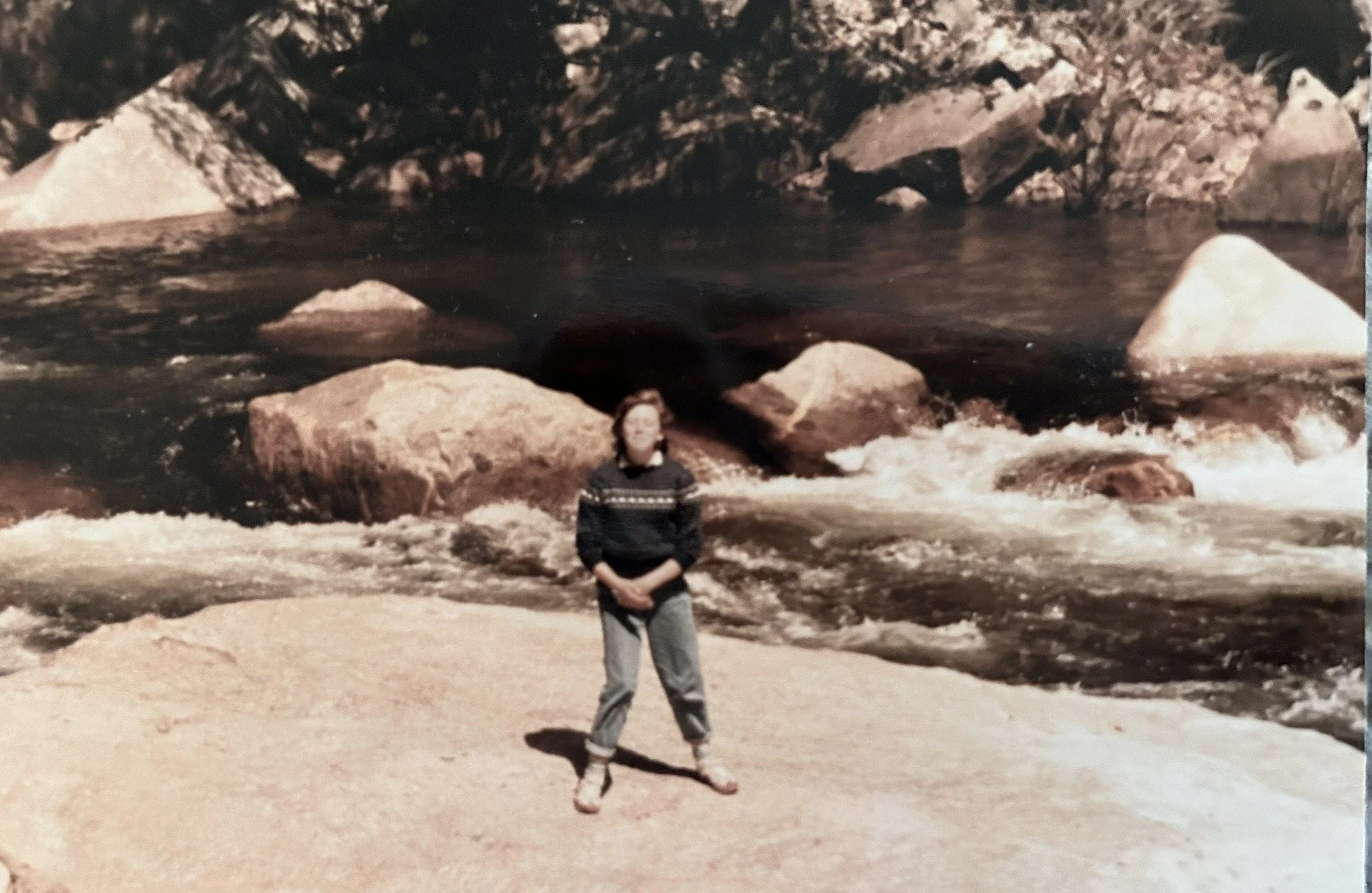
Amnesia Or Time Travel
I’m not myself. I’m not Michelle Kathleen O’Kane. I’m just a foggy picture of whatever I once was.
Now I’m a fading, static instant photograph. Shake it like a Polaroid picture. Words inside my head shake. Letters and punctuation and quotation marks floating around this turbulent area behind the bones of my skull.
The universe, inside my head, is a flat Polaroid picture. I’m searching for light to force emulsion. But this empty brain inside this skull is dark. To dark to develop the lives of all the versions of myself I've lived. Now I’m collecting layers—negative and positive layers, which help me diffuse into the infinitely developing images. My lives.
Time travel is complex. Memories are never the same place twice.
This place. This soft gray shawl, my WIP on my bed. On my west elm side table a book waits to be read. Dare To Surrender. By Lilly Feisty. Me.
Me Before and Me After incessantly converse about me. I wake up while driving in various cars, and I’m always the driver. Cars. I often travel in time. I find myself in the driver's seat in incongruous cars: 72 Blue Nova, yellow VW rabbit—I got this car when my mother died. Blue Ford Ranger. New. Miata! Purchased that new, too.
I received a bit of money when my mom died. So when I turned 18 I could spend my inheritance on whatever the fuck I wanted. I bought house. In Santa Clara. I made a garden.
Aware. When I’m driving I surround myself with the color-changing hills. I’m humming along with Elvis Costello. I’m watching the detectives. (The Angels Wanna Wear) my red shoes.
I’m now pointed west, driving 92 toward Half Moon Bay. I’m various makes of cars, all of which I owned. Today I’m driving a clutch—my blue Ford Ranger. This is the car I purchased with the money I received after my mother died.
I am now 18, and she’d died just a few months ago, while I was 17. Just before my mother died she’d received several thousand dollars, and then my brother and I inherited that money. So, of course, I spent it.
I’ve finally come to realized and understand how crazy I am.
I haven’t watched a movie with another person in over 5 years. I haven’t laughed with someone in as many years. A few times something I’m watching or hearing has caused the sound—the sharp chirp of a laugh. The noise scares me. Hearing my own laugh is such an unfamiliar sound that it shocks me. Then, of course, anxiety crushes those feelings and I have no idea why. Or maybe I do, but forgot.
I’m jealous of so many things I see on TV. Landscapes and cities and people at tables with white espresso cups.
Lives.
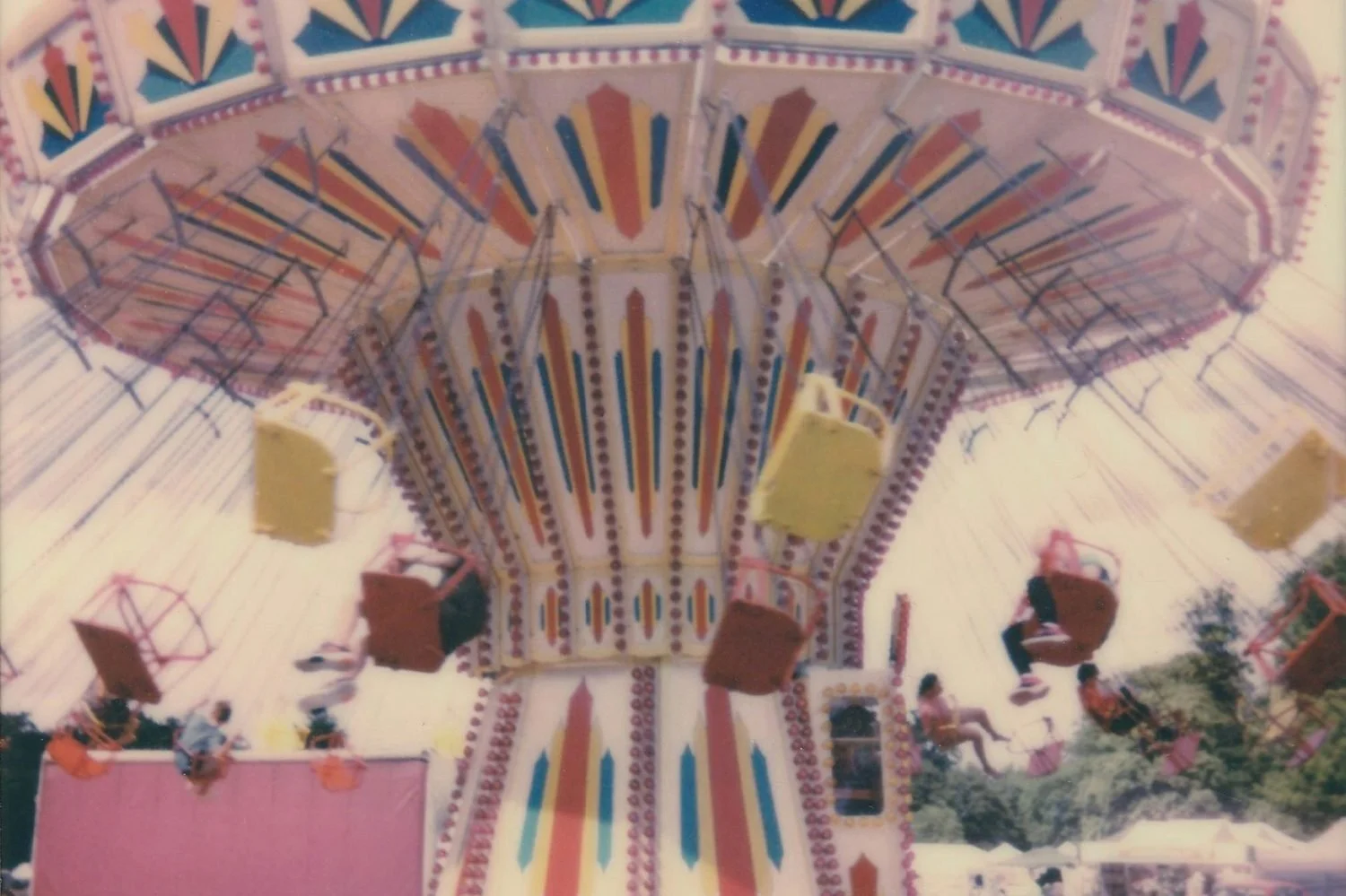
ABOUT TIME
Things, like time, are war. Games. War games. Time—is of the essence. I grasp the heavy rifle in my hands. I blast the abyss with bullets of memories, leaving sparkling lights that, slow, dim into the darkness. Often I wish I was still younger. My terrain in my head, then, was a much smaller area to blow up.
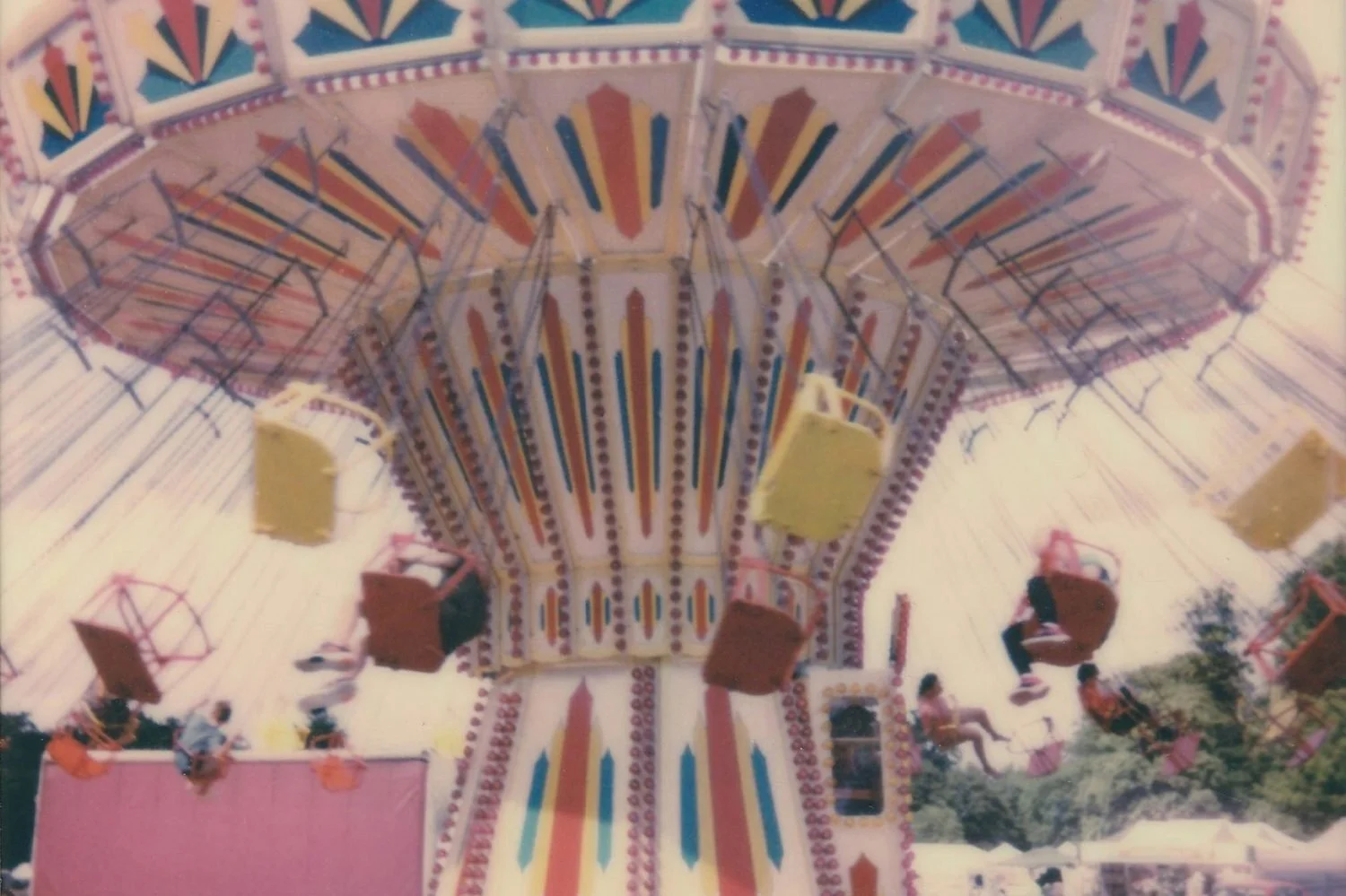
Here is what is this about. I don't know what I'm about. Nor does anybody else.
Things, like time, are war. Games. War games. Time—is of the essence. I grasp the heavy rifle in my hands. I blast the abyss with bullets of memories, leaving sparkling lights that, slow, dim into the darkness. Often I wish I was still younger. My terrain in my head, then, was a much smaller area to blow up.
Time after time—we do not have the luxury of forgetting that time is of the essence. The second hand unwinds. The drum beats out of time.
Days and time whirl us up in its violent tornado. Lives living a billion schedules, pattering around the world in an infinitely interactive lacy web.
Somewhere. Some wheres. Somethings. Things. My bed. My paintings. My Le Creuset Enameled Cast Iron Dutch Oven. Blue Azure.
Now. I’m a writer. With published books. My published books are romance novels. Now I write my memories. My memories are rarely the same story accurately remembered. So. So I’m forcing myself to scrawl each version of the stories I remember. Then I just try to fit all the pieces together in a way that—fits. Or—doesn’t.
I love pretty stories. I love writing. Now I write. Now I’m in the middle of a tornado. Throwing the letters & words & exclamation points!!!
My brain is inside my skull. I know this is true because I’ve seen it. Seen images of this. In the X-ray I see see the tornado, violently rotating within a column of air. This whirlwind slices out pieces of what’s left in my mind. I see it scattered over the people I've known all my life or, seemingly, all my life.
A tornado is a violently rotating column of air. It is in contact with both the surface of the Earth and a cumulonimbus cloud. In rare cases, it connects with the base of a cumulus cloud. It is often referred to as a twister, whirlwind or cyclone.
I’m not sure why. I'm pretty sure I don't want to know why. Even if I knew why, I wouldn't remember anyway. Time. Flies. It's just a game I've never successfully searched through.
My memories. Carnival games. Loud. Tacky. Frustrating. Exhausting. But. What isn’t?
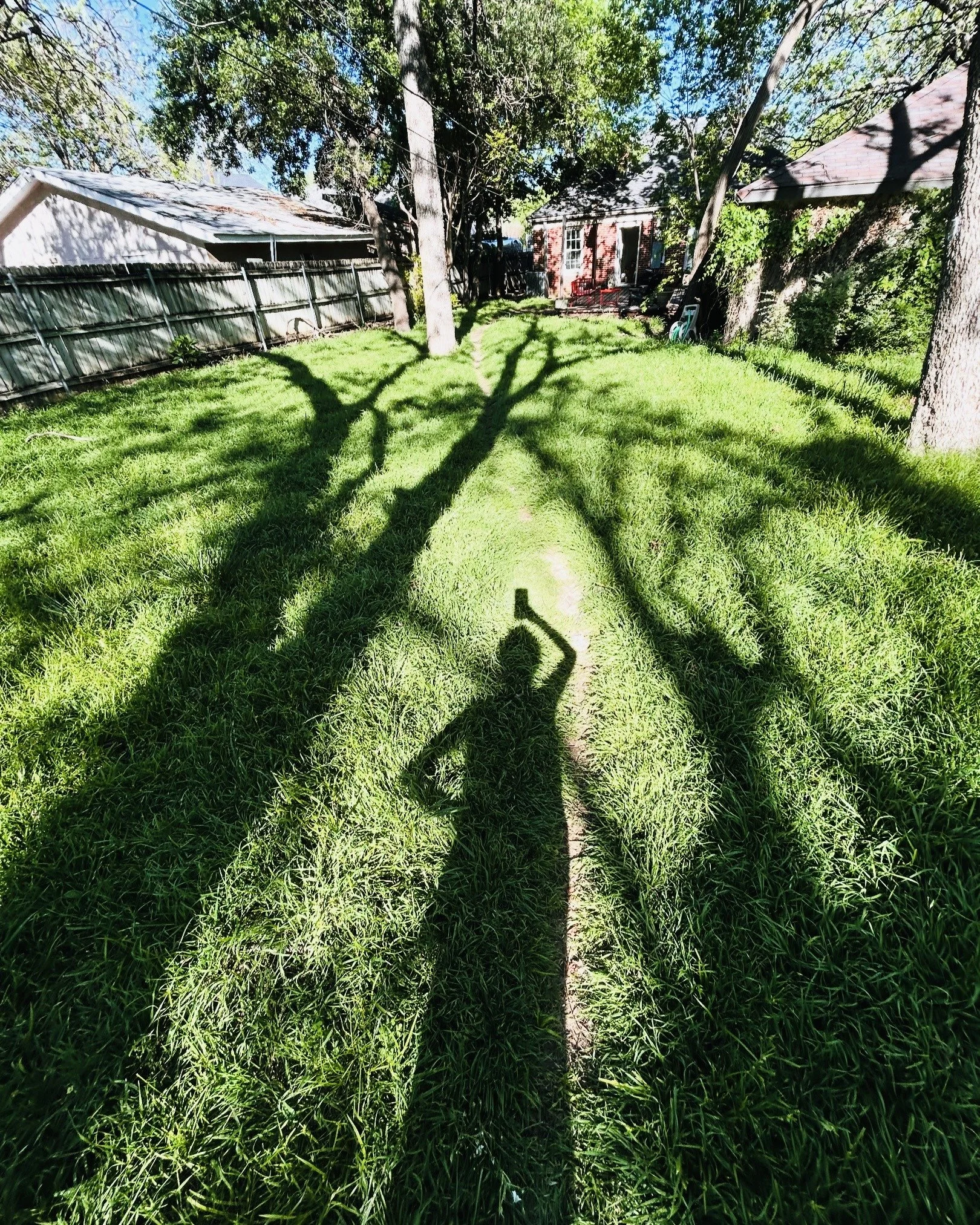
Patterns Of Time
The content explores the author's introspective journey, revealing uncertainty about themselves while expressing a vibrant relationship with life and creativity. The author, known as Feisty, shares their transition from writing romance novels to focusing on personal memories. Based in Northern California, they engage in various activities, including writing, dog playing, and knitting.
Here is what is this about. I don't know what I'm about. Funny. People look at me funnily. I'm not sure why. I'm pretty sure I don't want to know why. Even if I knew why, my memories have, and still are. The experiences are now flat. Flat as a photograph.
Time is a thing that speeds by on a billion schedules, pattering its way around the world in an infinitely interactive lacy web. Life billows. My heart-my heart my heart my h-heart hear-t beats to its own fucking drum. I have a past. I have a history. I have a story. Stories. I have things. Like my blue Le Creuset dutch oven, which I purchased at the Crate&Barrel. I worked at the Estée Lauder counter inside Nordstrom. When I worked in The Stanford Shopping Center I purchased a lot of things.
Somewhere. Things. My bed. My paintings. My Dutch oven I purchased at th
I have a heart. Full of Iron. I feel the iron. Non-melodiously, I feel it in my erratically beating heart.
Born and raised in Northern California, I moved to the Sierra Nevada high desert just before I turned thirty.
Most people call me Feisty. Go to Amazon, search Lilli Feisty, and you'll see why. I write. I play with my dogs. I write letters to my kid. I knit. I write. I read. I
I used to write romance novels. Now I write my memories. I love pretty stories, even when they're not pretty.

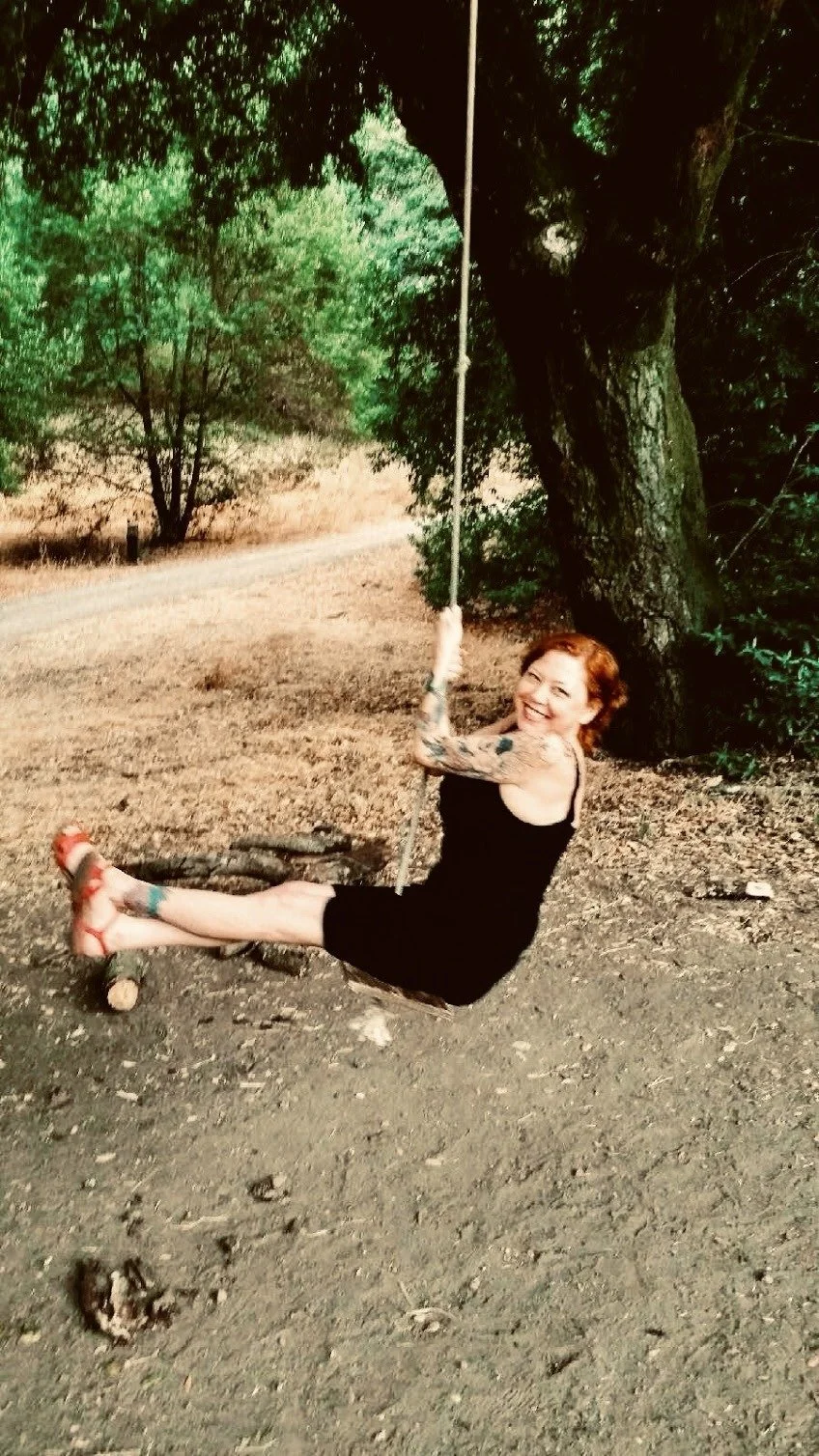
Celebrating Life, Death and Peace
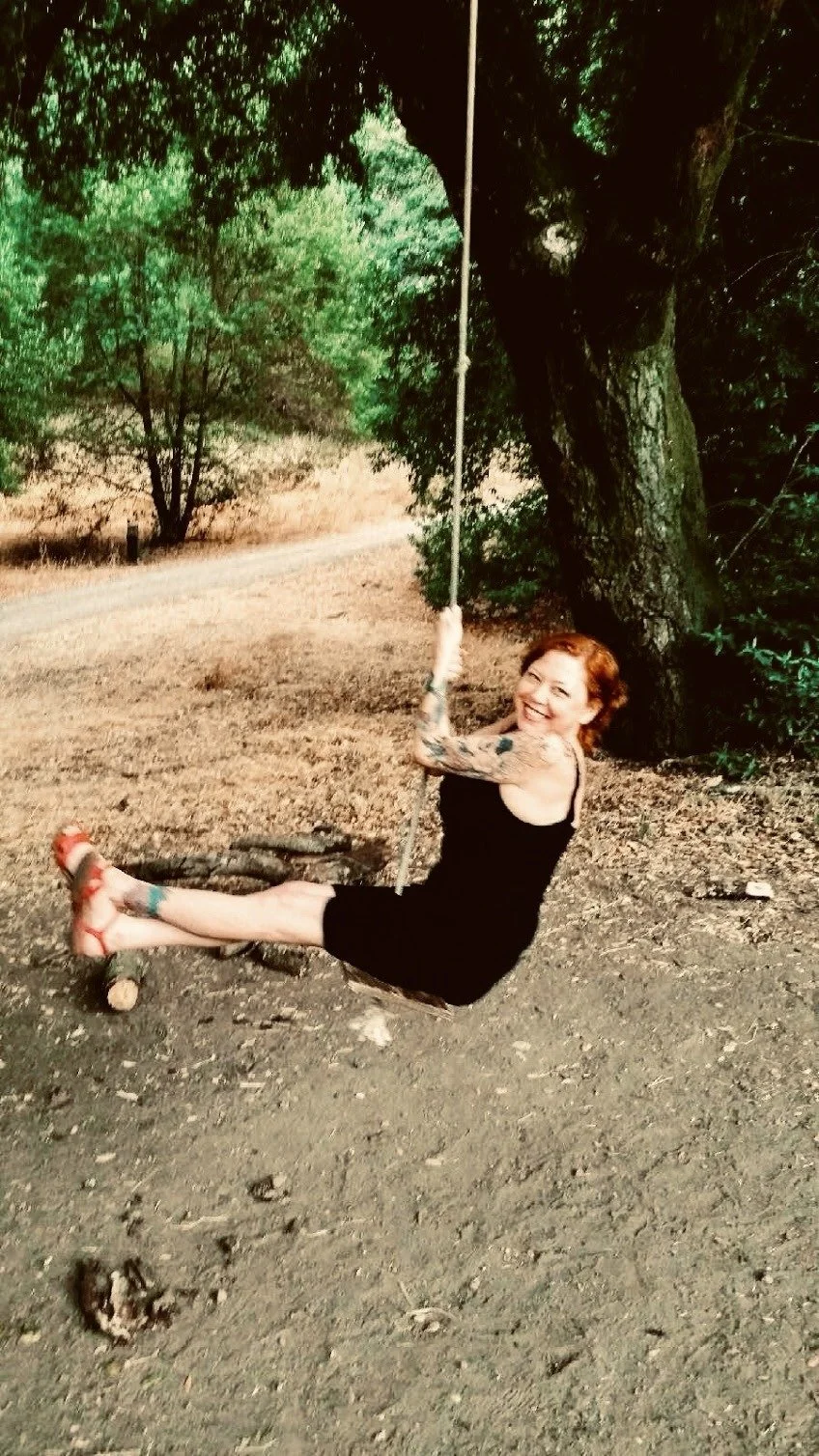
I was never great at problem solving.
What do you do when you've lived your life and survived? A soldier with many many wounds that'll never heal.
Do you procure a pistol and, finally, write your final chapter? After the ending of the story you type, in caps, THE END? Where would you shoot yourself? If so, how do you do it? Point at your temple? Your throat--Tomorrow?
Your arms are not long enough to hold a shotgun. Also, you don't own a shotgun.
There are many variables in something you've seen perfectly executed thousands of times, in films. In movies, most of the time, when people get killed they get killed with a bullet. Pills are for the wealthy. In the film, wealthy people are poor.
You have bleach. You also have a box of razor blades you bought twenty years ago, at Flax, Fort Mason Center. Additionally, you have a very sharp chef's knife. But the knife was a birthday gift so it seems disrespectful to use it to slit your wrists. Plus, wrist slitting seems like an acute challenge and you've never been good with details.
It's a method of problem solving. It's a process of a set of rules. It's Wikipedia. They trick you. They teach you how to multiply numbers. They tell you that x=0. But they never call it a language or reveal that zero means nothing.
What you want to do is you want to put the gun in your mouth and pull the trigger. Die in the bathtub, or maybe a field of gravel. Surrounded by blood: trickling, splattering, dripping. Sticky hair, messy. But not too messy—the whole point is to die with as little mess as possible, hence the bathtub. But a field doesn't require the heartache of cleanup. Death is nature. Natural. Earthy. Dirty.

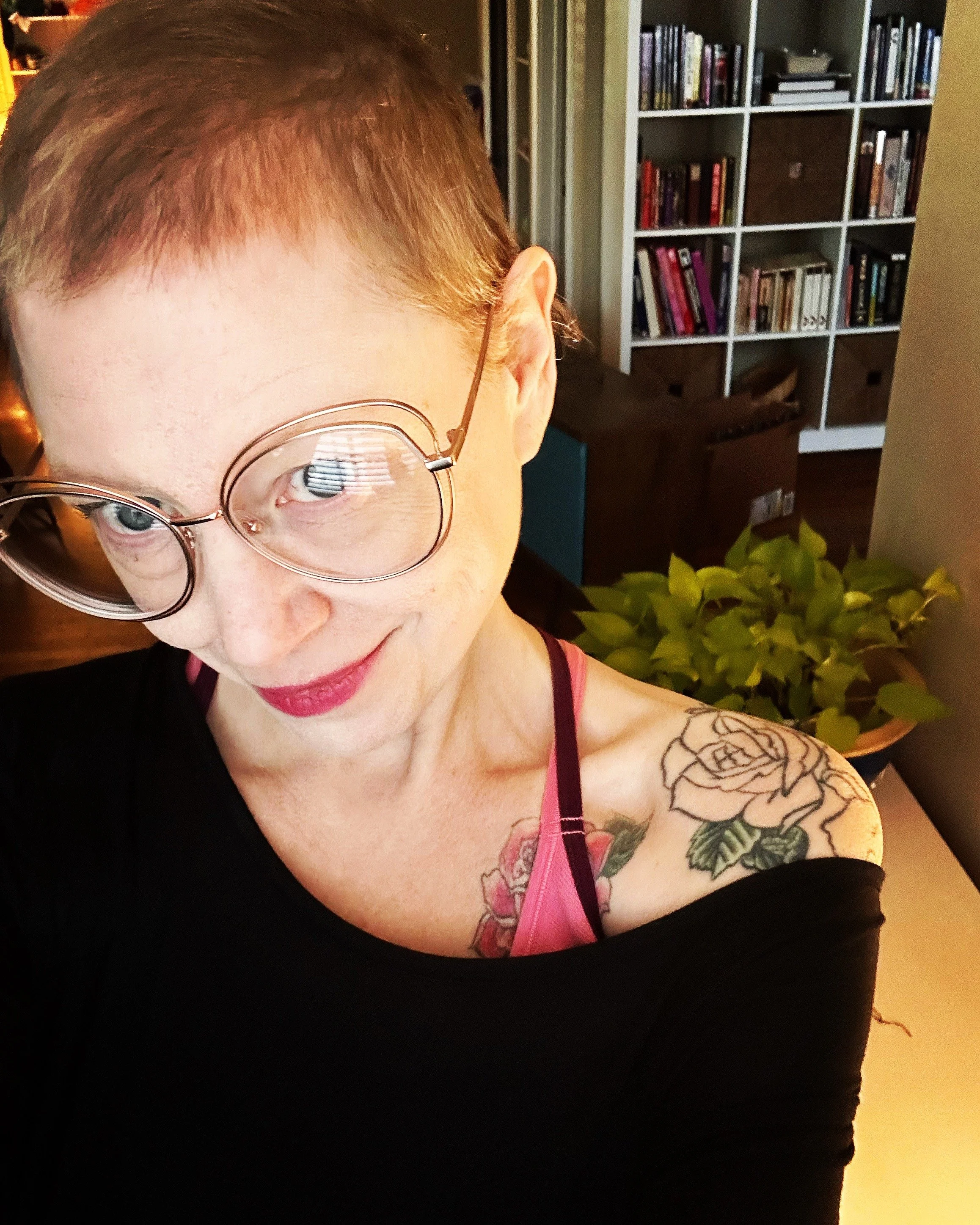
AMNESIA AND REAL LIFE
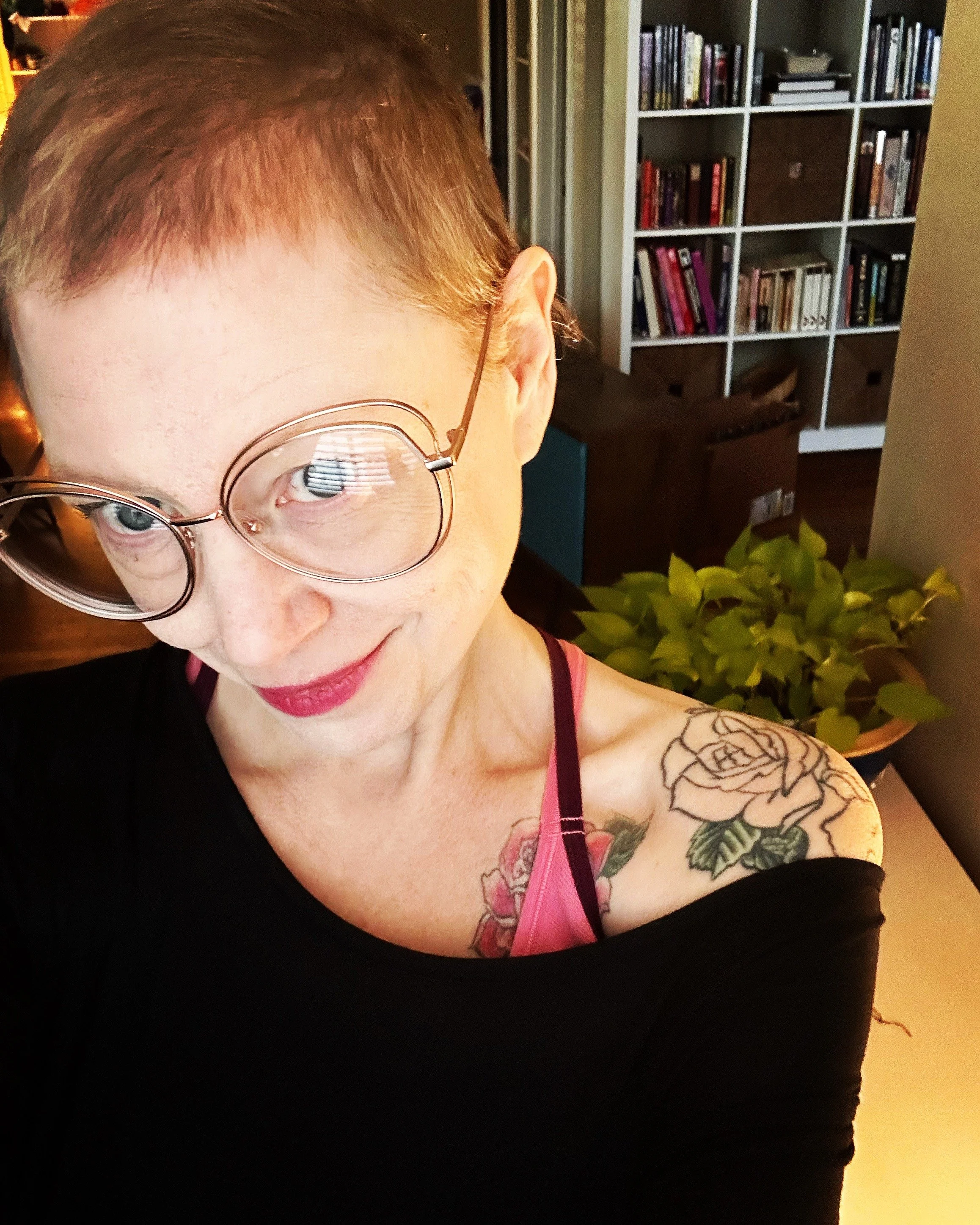
I am my own world. My spinning world of love and grief and memories. My world of my words. My world of my worlds. My ether, with floating, evolving, melting snowflakes.
At first, it’s a party. People come over. They bring food and flowers and booze. They clean. They cook. How are you? They ask, because they truthfully want to know. They bring books and ask you to go on walks. They plan the memorial. They stay by your side on that day of celebration. Like a birthday party, a memorial celebrates a life.
The memorial is the last phase of people gifting you their time. They must get back to their lives. They must get back to the people in their lives. Friends visit only on weekends. The phone rings less. The walks get shorter and scarcer. The carefully wrapped casseroles stop appearing in the kitchen. The flowers start to wilt, dripping their leaves on the tabletop. Like snowflakes and people—flowers melt.
How are you doing? The soft voices that asked the caring questions begin to evolve in tone, speed, intonation. And topics. Conversations evolve into the talk of life. The lives of the living.
But I cannot, I do not, return to my life because my life isn't there anymore. And never will be again. My life—my world— has been demolished.
My friends go out for dinners and take day trips to lakes and my friends eat at home, or the home of friends. They return to their worlds. Silence now permeates what used to be our home. My house is now empty of noise because it is now missing my favorite sound. Now nothing seems right.
Now. For whom do I cook? Who do I cook with? How do I comfort others? How do I adjust to a new life without that person's existence? In the beginning—disbelief, shock, a phone that becomes a cold thing that no longer brings me silly messages from the now dead person. I start feeling more feelings, and they are feelings that slowly start to fade as I acclimate to what's missing from my life every fucking day.
Then—then things start seeming kinda normal. I notice that the world is continuing. I cry less. I lol. I listen to a podcast. I eat breakfast. Then—when I'm kinda functioning without that constant feeling of emptiness, loss, grief—that is when the death hits me. I've returned to the normal headspace.
Life goes on and so do I.
I no longer have shock or disbelief to numb me. I no longer have the fresh, bloody cuts to bandage. All I have are what's under the now scarred skin: severed arteries and punctured organs and smokey images. Those things haven't started healing yet—and I know that the deepest cuts never will.
In the passenger seat, I see the stars come out of the sky, yeah, they're bright in a hollow sky you know it looks so good tonight.
My sky is exploding. My stars are combusting. I am a passenger. Newly healed and freshly sore. Waiting for my stars to come out of my sky.
And I knit and I knit. A scarf for Darlene. Darlene will smile. I'll feel her smile in the yarn coming alive in my hands.
I can not, I do not, return to my life because my life isn't there anymore. And never will be. My life—my world— is lost and I’m still trying to find it.
My friends go out for dinners and take day trips to lakes and my friends eat at home, or the homes of their friends. Somehow, they're still living lives. I envy that.